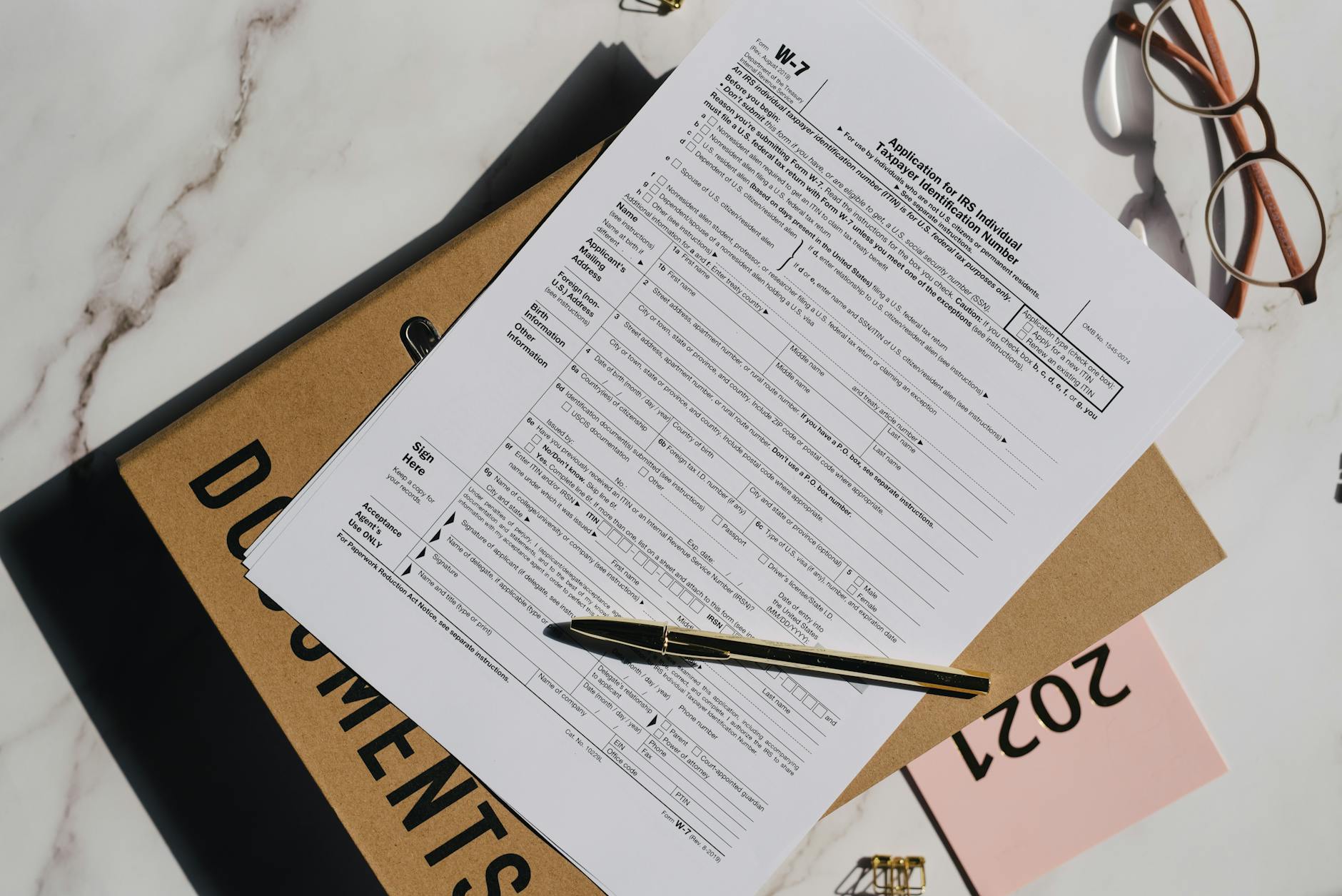
If you get an IRS notice, do not ignore it and do not panic. Confirm it is genuine, read the notice number and the response deadline, compare what it says with your return and records, and then pay, respond or get help based on what it actually asks. Many notices are routine: a request for more information, a correction to a return, or a bill. The IRS says that if a notice asks you to respond, you should act by the due date, and replying by the deadline helps protect your appeal rights. This article covers federal notices. State tax agencies send their own letters.
First, make sure it is real
Scams that imitate the IRS are common, so verify before you act. The IRS says it normally contacts you the first time by mail delivered by the U.S. Postal Service. Be suspicious of a message that:
- Arrives unexpectedly by phone, text, email or social media and demands payment or personal information.
- Creates urgency or threatens arrest or other immediate consequences.
- Demands payment in an unusual way, such as gift cards, cryptocurrency or a transfer to a person.
- Asks for sensitive details like your Social Security number or bank login.
The IRS says it uses email or text messages only if you opted in, and that a social media direct message is never a legitimate contact. Real notices carry a notice or letter number, usually in the upper right corner, and refer to your name and a tax year.
If you are unsure, do not use phone numbers or links in the message. Look up contact details on the IRS website, call the number printed on a letter you received by mail only after confirming the letter looks genuine, or sign in to your IRS online account to see whether the notice appears there. The IRS has a page for reporting tax scams. Never pay or share details until you are sure.

Read the notice in a set order
Most notices share a format:
- Notice or letter number. Usually top right. It tells you the type of issue.
- Tax year and form. Confirm it refers to a return you actually filed.
- Why you received it. The summary says whether the IRS changed your return, found a mismatch, has a question, or is billing you.
- Amount, if any. Look for tax, penalties and interest as separate lines.
- Response date. Respond by this date. Dates vary by notice.
- What to send and where. The notice lists the address, phone number or online option.
Underline the date and the requested action, then set a reminder a week ahead of it.
Common notice types
The number on the page is the quickest clue. These are examples of common ones, and your letter has the exact wording.
| Notice | What it generally means | Usual response |
|---|---|---|
| CP14 | You have a balance due | Pay, or contact the IRS if you disagree |
| CP2000 | Information from payers does not match your return | Agree, or send an explanation with proof |
| CP11 or CP12 | The IRS changed your return after finding an error | Review the change and reply if you disagree |
| CP501, CP503 | Reminders of an unpaid balance | Pay or arrange a payment plan |
| CP504 | Notice of intent to levy certain property | Act quickly and contact the IRS |
| Letter requesting documents | An audit by mail or a request to verify items | Send the requested records by the deadline |
A CP2000 deserves a note. The IRS says it is not a bill. It proposes changes because information from third parties differs from your return. You can agree and follow the instructions, disagree and send documents, or request more information, and the IRS says to reply by the date listed. Often the mismatch is something simple, such as a form that was missed.
Compare the notice with your records
Pull your return and supporting documents and check each item the notice mentions:
- Did the IRS change a number on your return, and is the change correct?
- Does the income listed match your W-2s and 1099s?
- Is there a credit or payment, such as an estimated tax payment, that was not counted?
- Are the penalties and interest for the right period?
Organized records make this fast. See how to organize tax records throughout the year, and use what documents you need before filing taxes to find what you need.
Your options
If the notice is correct
The IRS says you do not need to reply unless the notice asks you to. Follow the instructions. For a balance due, the IRS advises paying by the due date even if you cannot pay the full amount, because that can reduce interest and penalty charges. If you cannot pay in full, do not wait. See what to do if you owe taxes and cannot pay in full.
If you disagree
Follow the dispute instructions on the notice and respond by the deadline. Include:
- A copy of the notice.
- A short, factual explanation of what is wrong.
- Copies, not originals, of documents that support your position.
- Your name, the tax year and a daytime phone number.
Use a method with proof of delivery where mail is allowed, and keep a copy of everything you send.
If it is complicated
For an audit, large amounts, or anything you do not understand, consider professional help. Enrolled agents, certified public accountants and tax attorneys can represent you before the IRS with a power of attorney. Free help may be available through the Taxpayer Advocate Service, an independent organization within the IRS, and Low Income Taxpayer Clinics. Ask about fees in advance.
Deadlines and escalation
- Initial notices state a response date. Respond by it.
- A notice of deficiency gives you a limited time to petition the U.S. Tax Court if you disagree with a proposed additional tax. The last date is printed on the notice, and it generally cannot be extended, so act well before it.
- Collection notices can lead to a lien or levy if you do not respond, and required notices and a chance to request a hearing generally come first.
If you miss a date, contact the IRS right away. You may still have options, but they narrow over time.
Penalty relief and corrections
If a notice includes penalties, ask whether you qualify for relief. The IRS has a first-time penalty abatement process for some penalties when your compliance history is clean, and it can consider reasonable cause when events outside your control, such as serious illness or a disaster, kept you from complying. Neither is automatic, and you generally have to ask. If you find an error on the original return, you may need to file an amended return, Form 1040-X, and the notice itself sometimes explains what to do.
Mistakes to avoid
- Ignoring it. An unopened letter does not make the issue go away, and deadlines keep running.
- Paying a scammer. Verify first.
- Overexplaining. Short, factual replies with documents work best.
- Sending originals. Send copies and keep the originals.
- Cutting it close. Note when the notice arrived and reply early to allow for mail delays.
- Waiting for the IRS to correct an error in your favor. If the notice is wrong, you need to say so and show why.
- Hiring based on promises. Be wary of anyone who guarantees to reduce your bill.
Where this comes from
This article draws on the IRS pages on understanding your IRS notice or letter, on understanding the CP2000 notice, on how the IRS contacts you, and on tax scams and consumer alerts. Deadlines, penalties and procedures vary by notice and change over time, so rely on the notice itself and check the current figure at irs.gov (IRS) or in the form instructions.